When a commercial garage door goes wrong, the cost is not just the price of a new part. It is lost deliveries, security exposure, frustrated tenants, and a schedule that slips further behind. A garage door company in Belmont MA that understands commercial work treats those failures like time-critical infrastructure. Monacco Garage Door Services has built a reputation by treating each project with that urgency, and by balancing fast response with clear decisions about repair versus replacement.
Why this matters A commercial door serves different priorities than a residential one: uptime, safety under heavy cycles, and compatibility with tenant operations. A single loading dock that cannot close at night creates a security hole. A retail storefront with a slow operator costs minutes on every customer transaction. These are measurable losses, frequently underestimated until they happen. A competent contractor recognizes those stakes and structures service accordingly.
How a professional assessment looks When Monacco Garage Door Services arrives at a commercial site in Belmont, the first 20 minutes are for observation and questioning rather than immediately reaching for a parts box. Technicians watch the door operate through a full open-and-close cycle, check control logic and safety sensors, and listen for asymmetries or odd noises that tell a story about bearings, rollers, or track alignment. They talk to the site contact about daily cycles, peak hours, and any recent incidents. A repair estimate is based on that combined evidence: the mechanical condition, the business's tolerance for downtime, and the long-term maintenance history, when available.
A real example: a municipal garage with three doors was scheduled for evening delivery of parts. The local crew identified worn torsion springs on the busiest bay that would fail within weeks. Replacing only the failed spring would be cheaper immediately, but would create a second outage later during a different delivery window. The company recommended replacing both springs and rebalancing the door during the same service call. The client accepted the slightly higher bill and avoided another emergency callout and the risk of a stuck door during critical operations.
Common failure modes and practical fixes Commercial doors face thousands more cycles than a typical home door. That accelerates wear on specific components. Torsion springs fatigue, rollers wear out, cables fray at the drum, and electric operators experience gearbox wear. Weather, corrosive environments, and heavy traffic patterns accelerate each problem differently.
Torsion springs: these store the energy that offsets the door weight. Once springs reduce in strength they can cause lopsided motion or put extra strain on operators. A good repair replaces springs in matched pairs, measures cycle life rather than age, and always balances the door afterwards. Safety cables, when fitted, are verified to reduce risk from catastrophic failure.
Rollers and tracks: the cheap fix is to lubricate and hope. The durable fix inspects the track profile, measures vertical and horizontal plumb, and replaces rollers with hardened bearings where traffic is heavy. Nylon rollers reduce noise and require less frequent replacement, but they may not suit extremely high-temperature environments where metal bearings are preferable.
Openers and controls: for commercial doors you choose operators rated for the cycle count you expect. A service provider tests limit switches, force settings, and emergency release mechanisms. They also check integration with fire alarm systems and backup power. Sometimes the smartest choice is to upgrade to a modern operator with variable frequency drive and soft start/stop to reduce shock loads on the door.
Weather seals and thresholds: a small leak under a heavy steel door can cost more than the part to fix it. Commercial clients often balance weather performance against the need for easy vehicle access. Monacco Garage Door Services measures threshold gaps and recommends neoprene or aluminum thresholds based on traffic type. For refrigerated areas, attention to thermal break and proper seals pays back in energy savings.
How decisions are framed: repair, refurbish, or replace Choosing between repair and replacement is rarely about the lowest immediate price. It is an exercise in expected lifecycle cost and operational risk. A door with single-point failures in a system that otherwise looks solid is a candidate for repair and targeted parts replacement. A door with multiple components at or near end of life, rusted panels, or obsolete mechanical operators is often cheaper to replace in the medium term.
The decision involves several factors: the number of cycles per day, the age and availability of replacement parts, the safety record, and the cost of downtime for that particular client. For example, a distribution center that runs eight bays at full capacity cannot tolerate short-term fixes that might fail during peak season. For that client, Monacco recommends staged replacement across off-peak hours and coordinates deliveries so work finishes before the busiest period.
Permit work and code compliance Commercial doors are bound by local building codes and, often, by ADA and fire codes. Monacco Garage Door Services works with Belmont MA permitting processes when projects require structural changes, new operators, or modifications to fire door operations. They document the work and provide the client with the inspection-ready paperwork that building inspectors request. This reduces back-and-forth and prevents surprises when a town inspector arrives.
Safety training and operator responsibility A mechanical repair is half of the solution, maintenance and safe operation are the other half. Techs train site staff on the basics: how to manually operate the door safely, how to recognize warning signs like inconsistent speed or jerking, and how to secure the door during an extended outage. For facilities managers, Monacco provides a short checklist and offers scheduled training sessions at larger sites so multiple shifts understand the door's safe operation.
Planned maintenance that saves money Planned maintenance generates predictable costs and a known service window. For commercial doors, the return on a maintenance contract is visibility and fewer emergency callouts. Typical maintenance includes lubricating moving parts, tightening fasteners, inspecting cables and springs, testing safety sensors and reversing mechanisms, and recording wear items with suggested timelines.
A medium-size client averaged two emergency repairs per year before signing a maintenance contract. After a structured quarterly program, emergency calls dropped to one every 18 months. The maintenance fee was roughly 40 to 50 percent of the prior emergency spend, and the intangible benefit was steadier operations and safer loading docks.
Upgrading for efficiency and security Commercial operations often benefit from upgrades beyond pure mechanical fixes. Replacing an operator with Belmont Garage Door Company a model that supports card access or networked alerts turns the door into an integrated part of the site's security posture. Adding battery backup allows doors to function briefly during power outages, keeping critical movements possible. When making upgrades, Monacco evaluates cyber risk for networked devices and recommends segmentation to separate door controls from general IT networks.
Trade-offs arise. A low-cost retrofit might provide immediate benefits but leave the door mismatched with the building envelope. A full system upgrade is more expensive up front, but simplifies maintenance and reduces parts diversity across multiple doors.
Handling emergencies and minimizing downtime Fast response is valuable only when paired with correct triage. Monacco's dispatch process prioritizes calls by operational impact, then sends technicians equipped with common high-use parts. For example, they often carry spare rollers, cables, and a set of standard springs sized for local common door weights. If the problem requires a shop-fabricated part, the crew improvises a safe temporary solution to secure operations until the part arrives.
A typical emergency scenario involves an off-balance door caused by a snapped cable. The immediate steps are to secure the area, lock out the opener, and—if possible—install a temporary brace or manual lock. The technician documents the temporary repair with photos and a timeline for permanent correction. That documentation is important for the facility's risk management and insurance records.
Pricing and transparency Commercial bids must be specific. A vague estimate invites disputes and misaligned expectations. Monacco Garage Door Services provides itemized proposals that separate labor, parts, and permit costs. They include scheduled timelines and a suggested maintenance plan that extends warranty coverage where applicable. For larger jobs, payment milestones tie to defined deliverables so the client retains leverage and visibility.
A persuasive commercial pitch is not about lowest price, it is about predictable outcomes. Clients that understand trade-offs accept a higher initial cost when it reduces future emergency spending and operational risk.
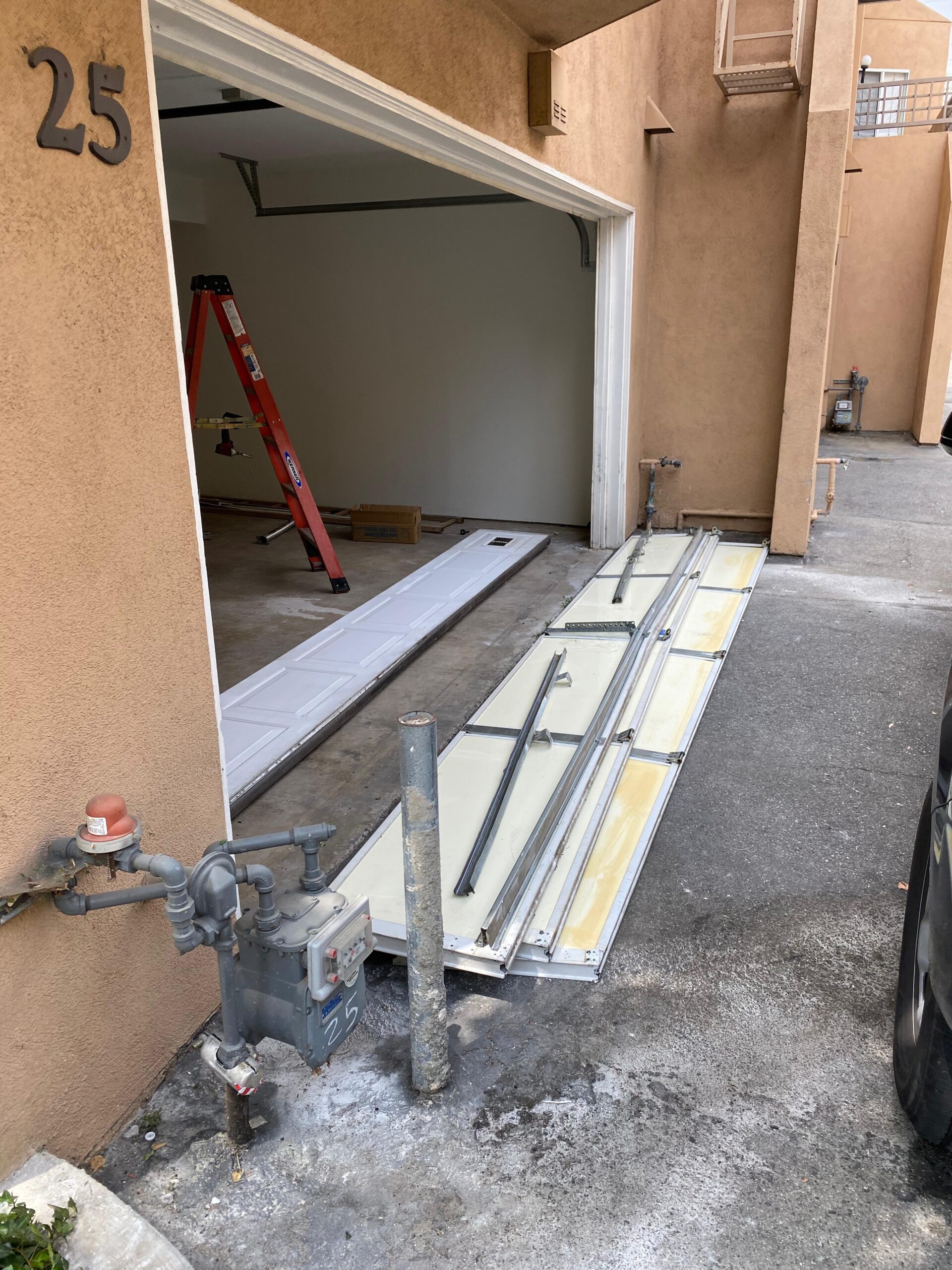
Coordination with other trades and scheduling Working in an occupied commercial space requires coordination with electrical contractors, HVAC, security, and facility managers. Replacing a heavy sectional door may require crane access, scaffolding, or temporary road closures. Monacco plans these logistics, produces a phased schedule, and outlines required site access and safety zones to the client. They also provide suggestions for minimizing disruption, such as completing exterior work after-hours when feasible.
Accessibility and tenant communication matter when multiple businesses share a building. The company prepares short notices for tenants about expected downtimes and door access changes so managers do not have to draft technical instructions themselves.
Parts, brands, and stocking choices A trade-off many property owners face is whether to stick with legacy parts or standardize on a single modern supplier. Legacy parts may be cheaper initially if a cheap aftermarket exists, but they often require more frequent replacement. Standardizing on a higher-quality brand reduces inventory complexity and often increases mean time between failures. Monacco advises clients based on application: retail storefronts might prioritize quiet operation and appearance, while industrial bays prioritize cycle life and load capacity.
Service providers make stocking decisions by frequency of failure and local usage patterns. Common parts that the Belmont service trucks carry include drum and cable assemblies for standard door heights, matched torsion springs in common sizes, and operator parts for widely used brands.
Warranty and follow-through A repair or installation is only as good as the follow-up. Warranties should specify parts covered, labor terms, and any exclusions. For commercial clients, Monacco extends basic follow-up inspections at 30 and 90 days after major work to verify adjustments and ensure the door settles properly. Those visits are quick but often find minor issues that would become larger problems if left alone.
When disputes arise, photographic records, operation logs, and the original proposal clarify expectations. That documentation is a professional commodity that separates thoughtful contractors from the rest.
Selecting a vendor in Belmont MA Choosing a Garage Door Company Belmont MA for commercial work requires asking specific questions. Ask about typical response times, whether technicians are factory trained on the operator brands you use, and whether the company carries commercial insurance and bonds. Request references for similar buildings and ask about their approach to emergency staging. A vendor that hesitates to explain permits, testing, and safety compliance signals risk.
Monacco Garage Door Services positions itself on the basis of response discipline, transparent pricing, and an archival approach to customer work. They keep a history for each https://monaccogaragedoorservice.com/ client that shows past repairs, service intervals, and parts replaced, which speeds diagnosis and helps justify repair versus replacement recommendations.
Final considerations when you are responsible for the door If you manage a facility, do a simple audit: note how many cycles each door runs daily, check whether door seals are intact, and ask whether any operators are older than their rated cycle life. Keep a record of emergency repairs and see if patterns emerge. These facts materially change the cost calculus for maintenance and replacement.
A thoughtful contractor will help turn those observations into a prioritized plan. With doors, patience in decision making pays: the cheapest fix for today is rarely the best investment for a busy commercial operation. A partner that aligns service speed with durable mechanical judgment will prevent the small problems that compound into lost revenue and stress.